

Dubai has become a global destination for wealthy investors seeking long-term growth and financial security. Moreover, its tax-friendly environment attracts entrepreneurs, executives, and family offices from around the world.
High-net-worth individuals rarely purchase properties without a clear investment structure. Instead, they follow carefully planned strategies that protect wealth and maximize returns.
Furthermore, these investors focus on diversification, legal protection, tax efficiency, and succession planning. In addition, their decisions often extend beyond buying a single luxury apartment or villa.
This guide explains how affluent investors structure Dubai property investments. Additionally, it highlights the strategies that preserve wealth while generating consistent income.
Why Dubai Attracts High-Net-Worth Investors
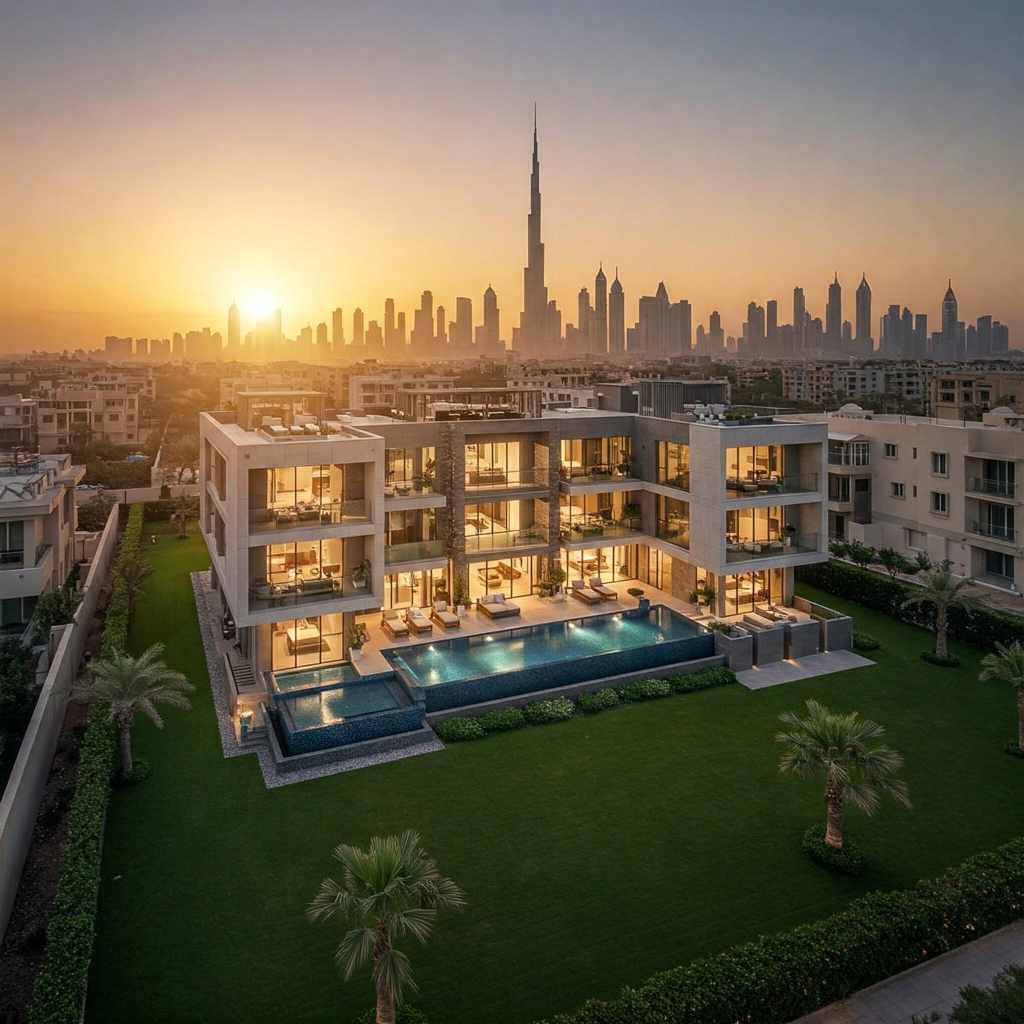
Dubai offers several advantages that appeal to wealthy investors.
These benefits include:
- • Zero annual property tax
- • No capital gains tax
- • Strong rental yields
- • Stable currency
- • World-class infrastructure
- • Investor-friendly regulations
- • Growing luxury property market
- • Excellent global connectivity
Consequently, many investors allocate a significant portion of their global portfolios to Dubai real estate.
Additionally, Dubai continues attracting international businesses and wealthy residents. Therefore, demand for premium properties remains consistently strong.
Understanding High-Net-Worth Property Investment
A high-net-worth individual usually owns investable assets exceeding one million US dollars. However, in many cases, Dubai investors manage portfolios worth tens or even hundreds of millions.
These investors rarely purchase properties emotionally. Instead, every acquisition supports broader financial objectives.
For example, they may focus on:
- • Wealth preservation
- • Passive rental income
- • International diversification
- • Estate planning
- • Family wealth transfer
- • Currency diversification
- • Portfolio appreciation
As a result, each investment fits within a carefully designed financial framework.
Investing Through Holding Companies

Many wealthy investors purchase Dubai properties through holding companies.
This approach separates personal assets from investment assets. Consequently, it provides greater legal protection.
Holding companies also simplify portfolio management.
Benefits include:
- • Centralized ownership
- • Easier accounting
- • Improved liability protection
- • Better succession planning
- • Simplified portfolio expansion
Moreover, international investors often combine multiple companies across different jurisdictions.
Ultimately, professional advisors usually determine the most suitable structure.
Using Family Offices for Property Management
Family offices manage investments for wealthy families.
Rather than owning one or two properties, affluent families often control diversified portfolios.
Family offices oversee:
- • Property acquisitions
- • Financial reporting
- • Legal compliance
- • Tenant management
- • Renovations
- • Risk analysis
- • Asset allocation
Therefore, investors avoid handling daily operational responsibilities.
Furthermore, professional management improves long-term portfolio performance.
Diversifying Across Multiple Property Types
Successful investors rarely place all capital into one asset class.
Instead, they diversify across different sectors.
Common allocations include:
| Property Type | Investment Purpose |
|---|---|
| Luxury Apartments | Rental income |
| Waterfront Villas | Capital appreciation |
| Branded Residences | Premium resale value |
| Commercial Offices | Stable corporate leases |
| Retail Units | Long-term rental income |
| Hotel Apartments | Short-term income |
| Off-Plan Projects | Future appreciation |
As a result, diversification reduces portfolio risk.
Additionally, different sectors perform well during different market cycles.
Choosing Prime Investment Locations
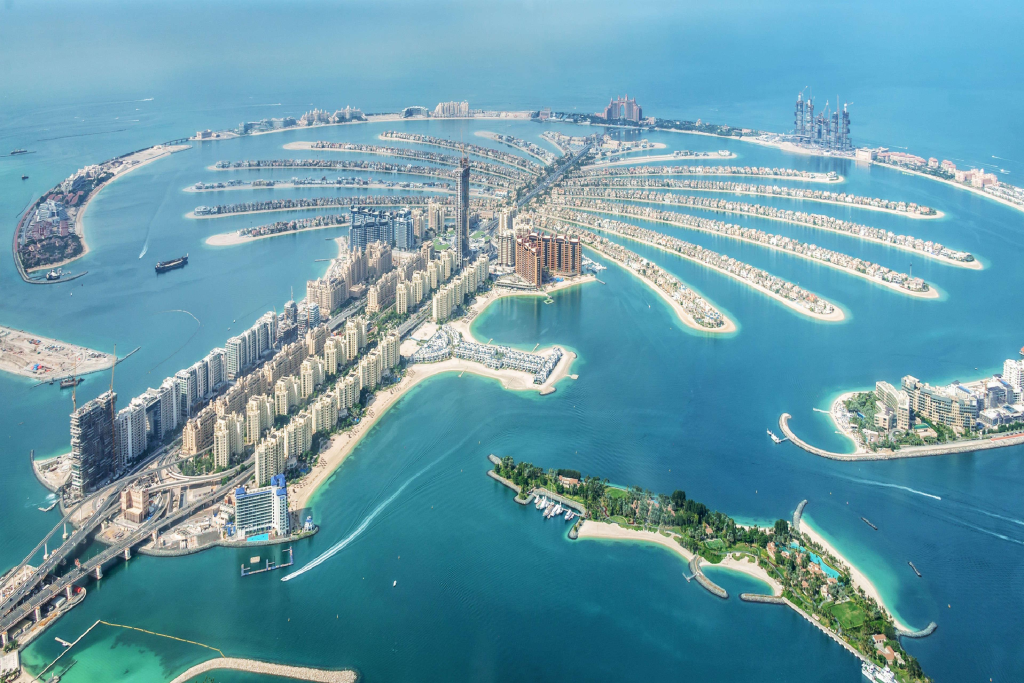
Location remains one of the most important investment factors.
Therefore, high-net-worth investors prefer established communities with long-term growth potential.
Popular investment locations include:
- • Palm Jumeirah
- • Downtown Dubai
- • Dubai Hills Estate
- • Dubai Creek Harbour
- • Business Bay
- • Dubai Marina
- • Palm Jebel Ali
These communities continue attracting wealthy residents and international buyers.
Consequently, property values often outperform the wider market.
Mixing Off-Plan and Ready Properties
Affluent investors balance short-term income with long-term appreciation.
Therefore, they combine ready properties with off-plan developments.
Ready properties provide:
- • Immediate rental income
- • Proven market value
- • Lower construction risk
Meanwhile, off-plan investments offer:
- • Lower entry prices
- • Flexible payment plans
- • Strong appreciation potential
- • Brand-new luxury amenities
Overall, this balanced strategy improves portfolio stability.
Focusing on Luxury and Branded Residences




Branded residences continue attracting global investors.
As a result, luxury brands increase buyer confidence.
Additionally, these developments often command premium rental rates.
Advantages include:
- • Superior architecture
- • Exclusive amenities
- • Strong resale demand
- • International recognition
- • Professional management
Therefore, branded residences remain popular among wealthy buyers.
Prioritizing Cash Flow and Capital Appreciation
Experienced investors balance income with long-term growth.
Accordingly, they evaluate every property using financial metrics.
These include:
- • Rental yield
- • Occupancy rate
- • Expected appreciation
- • Maintenance costs
- • Service charges
- • Financing costs
Accordingly, investment decisions rely on measurable data rather than emotions.
Financing Strategies Used by Wealthy Investors
High-net-worth investors often avoid excessive leverage.
Instead, they maintain healthy liquidity.
Common financing strategies include:
- • Cash purchases
- • Partial mortgage financing
- • Portfolio-backed lending
- • Private banking solutions
Consequently, investors retain flexibility during market changes.
Protecting Wealth Through Risk Management
Wealth preservation remains equally important.
Therefore, investors reduce unnecessary risks.
Risk management strategies include:
- • Insurance coverage
- • Geographic diversification
- • Professional legal advice
- • Currency diversification
- • Regular portfolio reviews
Collectively, these measures strengthen long-term financial stability.
Working with Professional Advisors

Successful investors rarely work alone.
Instead, they build experienced advisory teams.
These professionals include:
- • Real estate consultants
- • Lawyers
- • Tax advisors
- • Wealth managers
- • Mortgage specialists
- • Accountants
Together, they reduce investment risks.
Moreover, professional guidance improves portfolio efficiency.
Common Mistakes Wealthy Investors Avoid
Experienced investors follow disciplined strategies.
As a result, they usually avoid:
- • Emotional purchases
- • Poor location selection
- • Over-leveraging
- • Weak due diligence
- • Concentrated portfolios
- • Ignoring exit strategies
- • Underestimating maintenance costs
Ultimately, avoiding these mistakes protects long-term returns.
Future Trends in Dubai Luxury Property Investment
Dubai continues evolving into a global wealth hub.
Looking ahead, several trends will influence future investments.
These include:
- • Growing branded residences
- • Smart home technology
- • Sustainable developments
- • Waterfront expansion
- • Increased global migration
- • Luxury lifestyle communities
Consequently, demand for premium real estate should remain strong.
Final Thoughts
High-net-worth individuals approach Dubai property investment with careful planning and discipline. Furthermore, they prioritize wealth preservation alongside sustainable growth.
Rather than relying on a single property, they build diversified portfolios using structured ownership, professional management, and strategic financing. Consequently, they also reduce risk while improving long-term returns.
Dubai continues offering exceptional opportunities for affluent buyers. Therefore, investors who adopt a structured approach can benefit from strong rental income, capital appreciation, and global portfolio diversification.
Read More: How to Build a $1M Property Portfolio in Dubai from Scratch

 Dubai Investment Park (DIP), Dubai







 Dubai Investment Park (DIP), Dubai