
The Dubai property prices over the last 10 years tell a powerful story of resilience, recovery, and rapid growth. Dubai has evolved from a fluctuating real estate market into one of the world’s most attractive investment destinations.
Understanding Dubai property prices over the last 10 years is essential for investors, buyers, and anyone looking to enter the UAE real estate market. It reveals patterns, opportunities, and the factors that drive long-term value.
Overview of Dubai Property Prices Last 10 Years
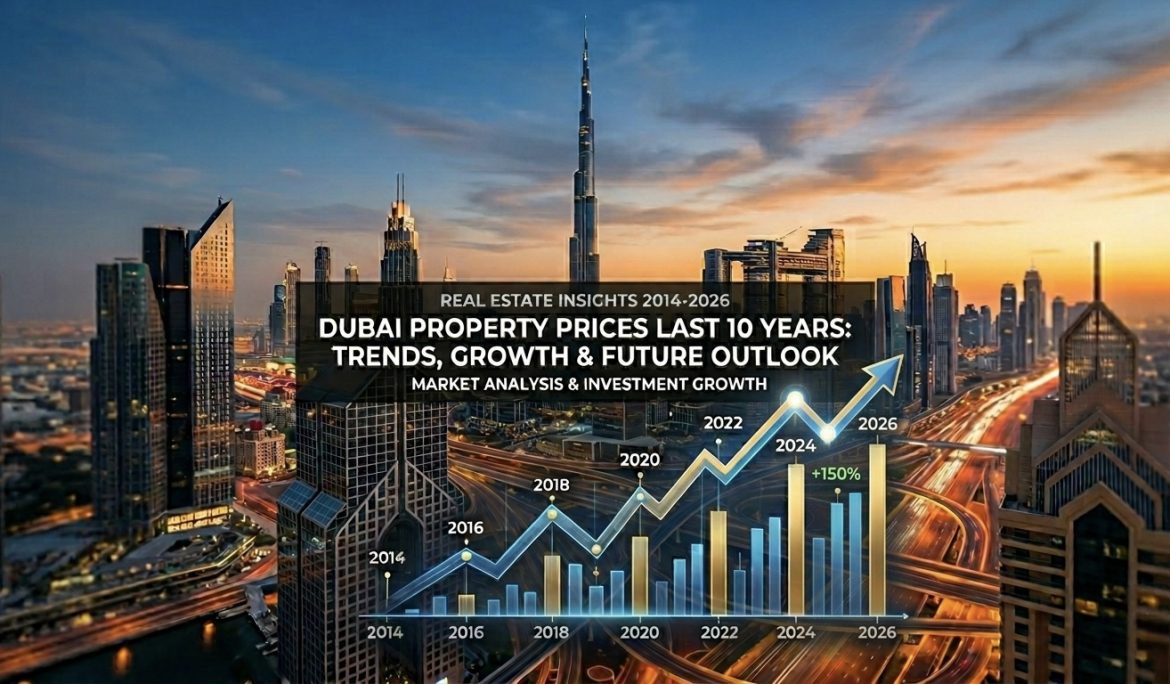
Over the past decade, Dubai’s real estate market has experienced multiple phases. Between 2014 and 2016, property prices declined due to oversupply and reduced investor confidence. This period was marked by cautious buying and slower transaction volumes.
From 2017 to 2019, the market stabilized. Developers adjusted supply, and government initiatives began attracting foreign investors again. Although prices remained relatively steady, this phase laid the foundation for future growth.
The real transformation began after 2020. Following global disruptions, Dubai implemented investor-friendly policies such as long-term visas and remote work programs. This led to a surge in demand, pushing property prices upward significantly.
Key Phases of the Dubai Property Market
2014–2016: Market Correction
During this period, Dubai saw a drop in property prices due to high supply levels. Many investors exited the market, leading to reduced demand.
2017–2019: Stabilization
Prices began to stabilize as developers slowed down launches. Investor confidence gradually returned, supported by regulatory improvements.
2020–2022: Recovery and Growth
Dubai quickly recovered from global challenges. Low interest rates and strong government initiatives boosted demand.
2023–2026: Record Growth
The market reached new highs, with luxury properties and waterfront developments seeing the highest appreciation.
Factors Influencing Dubai Property Prices
Several key factors have shaped Dubai property price trends over the last decade.
Government Policies
Initiatives such as golden visas, foreign ownership laws, and investor-friendly regulations have significantly boosted demand.
Economic Growth
Dubai’s strong economy, tourism sector, and global positioning contribute to consistent real estate demand.
Supply and Demand
Periods of oversupply led to price corrections, while limited supply in premium areas increased prices.
Global Investment Appeal
Dubai is considered a haven for international investors, especially during economic uncertainty.
Best Performing Areas in the Last 10 Years
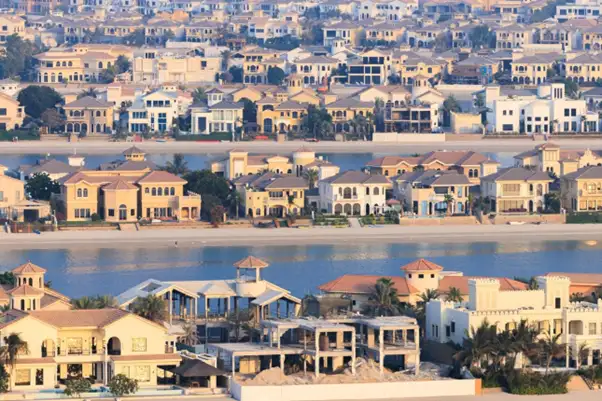
Some areas outperformed the market consistently:
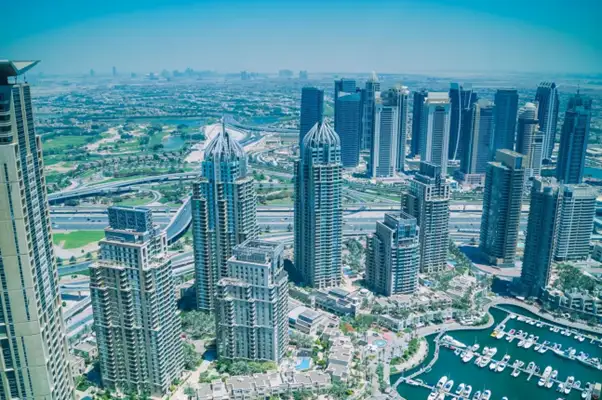
- Dubai Marina – High rental yields and strong demand
- Palm Jumeirah – Luxury appreciation and global appeal
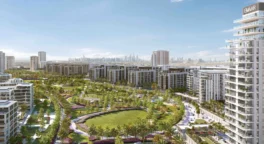
- Dubai Hills Estate – Family-friendly growth area
- DAMAC Lagoons – Emerging investment hotspot
Dubai vs Global Property Markets
Compared to cities like London, New York, and Singapore, Dubai offers:
- ‣ Higher rental yields
- ‣ No property tax
- ‣ Lower entry prices for luxury real estate
- ‣ Strong capital appreciation
This makes Dubai one of the most competitive global real estate markets.
What This Means for Investors in 2026
Analyzing Dubai property prices last 10 years shows one key pattern:
The market rewards long-term investors
Investors who bought during downturns (2016–2019) have seen significant gains in recent years.
Key opportunities include:
- ‣ Off-plan investments
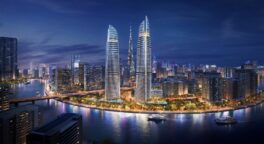
- ‣ Waterfront properties
- ‣ Emerging communities
Conclusion
The journey of Dubai property prices last 10 years highlights a market that has matured into a global investment powerhouse. From corrections to rapid growth, Dubai has proven its ability to adapt and thrive.
For investors, the message is clear:
Timing matters, but long-term strategy matters more.
Read More: Benefits of buying property in Dubai

 Dubai Investment Park (DIP), Dubai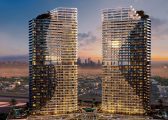
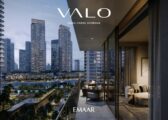
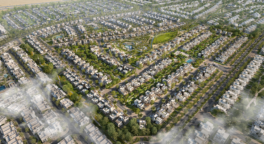
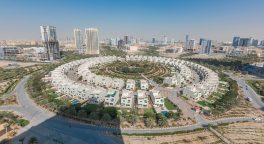
 Dubai Investment Park (DIP), Dubai