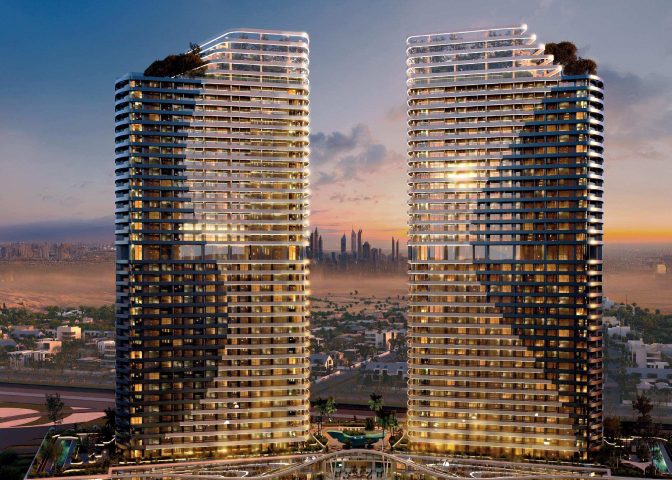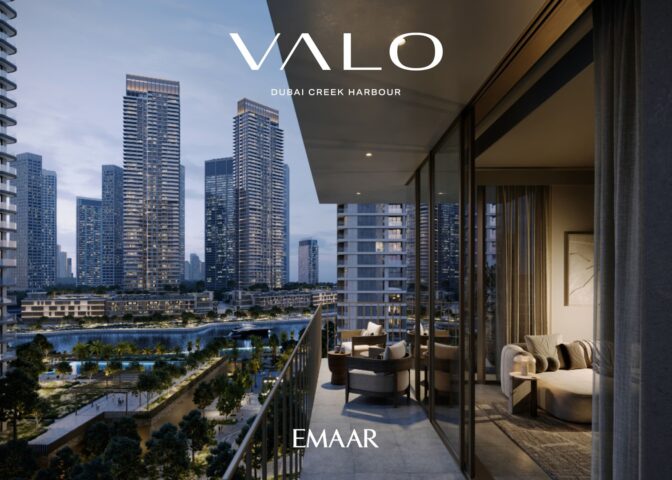

Buying a property is often seen as the biggest milestone in real estate, but what many people don’t fully understand is the cost of owning property in Dubai after handover. Once you receive the keys, the financial responsibility doesn’t stop. In fact, this is where the real costs begin to show.
From Dubai property service charges to maintenance, utilities, and hidden fees, owning property entails ongoing expenses that can significantly affect your return on investment. Whether you’re buying for personal use or investment, understanding these costs is essential before making a decision.
What Happens After Property Handover in Dubai?

Handover is the moment you officially become the owner of a property. It’s when the developer transfers ownership, and you receive access to your unit. While this sounds exciting, it also marks the beginning of recurring financial obligations.
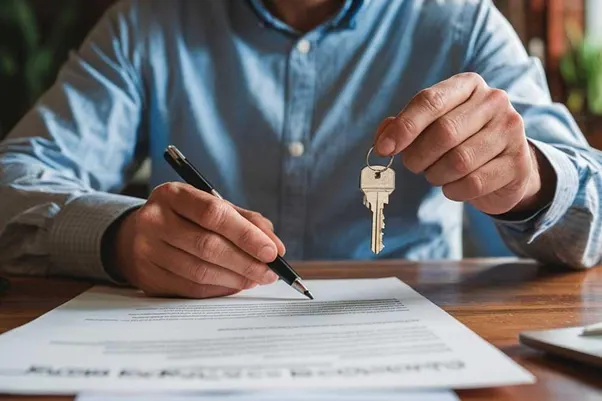
At this stage, you’ll need to activate utilities, register your property, and begin covering ongoing costs such as service charges and maintenance. Many first-time buyers underestimate these expenses, which is why it’s important to plan.
Breakdown of the Cost of Owning Property in Dubai
Understanding the full picture of property ownership costs in Dubai requires looking at each expense individually.
1. Dubai Property Service Charges
Service charges are one of the highest ongoing costs. These fees cover the maintenance of common areas such as lobbies, elevators, security, landscaping, and shared amenities.
In Dubai, service charges are typically calculated per square foot and vary depending on the building and developer. Luxury developments tend to have higher fees due to premium facilities.
These charges are regulated by the Dubai Land Department, but they can still significantly affect your overall investment returns.
2. Dubai Land Department Fees

When purchasing property, buyers must pay a Dubai Land Department (DLD) fee, usually around 4% of the property value. While this is a one-time cost, it’s an important part of the total investment.
Additionally, there may be administrative fees related to ownership registration and documentation.
3. DEWA (Utilities) Costs
Electricity and water in Dubai are managed by DEWA. Once you take ownership, you must activate your account and pay a deposit. Monthly bills will depend on your usage, but they remain a consistent ongoing cost.
Even if your property is vacant, basic utility costs still apply, which is something many investors overlook.
4. District Cooling Charges
In many developments, cooling is provided by centralized systems rather than individual AC units. This means you’ll pay separate cooling charges, which can sometimes be higher than expected.
District cooling fees often include both consumption charges and fixed fees, making them a key part of the hidden costs of owning property in Dubai.
5. Maintenance and Repairs

While service charges cover common areas, maintenance inside your unit is your responsibility. This includes plumbing, electrical work, appliances, and general wear and tear.
Over time, these costs can add up, especially if the property is rented and requires regular upkeep.
6. Property Insurance
Although not mandatory, property insurance is highly recommended. It protects against damage, fire, and other risks.
For investors, insurance adds an extra layer of security and helps protect long-term value.
7. Vacancy Costs
If your property is not rented, you still have to cover all ongoing expenses. This includes service charges, utilities, and maintenance.
This is one of the biggest risks investors faces—especially those who assume rental income will always cover costs.
Hidden Costs Buyers Often Miss
Beyond the obvious expenses, there are several hidden costs that many buyers don’t anticipate.
Administrative fees, agent commissions, furnishing costs, and upgrades can quickly increase the total investment. Additionally, market fluctuations may affect rental income, making it harder to achieve expected returns.
These factors highlight why understanding the real cost of owning property in Dubai is crucial before buying.
Is Owning Property in Dubai Still Worth It?
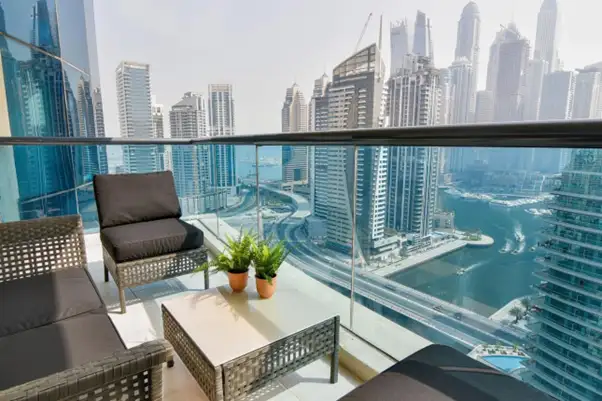
Despite the costs, Dubai remains one of the most attractive real estate markets globally. High rental yields, tax-free income, and strong demand continue to make it a popular choice for investors.
However, profitability depends on making informed decisions. Choosing the right location, property type, and price point plays a major role in maximizing returns.
Smart investors factor in all ownership costs—not just the purchase price.
Final Thoughts on the Cost of Owning Property in Dubai
The cost of owning property in Dubai goes far beyond the initial purchase. From service charges to maintenance and hidden fees, these expenses can impact your investment more than expected.
The key is not to avoid these costs—but to understand and plan for them. Buyers who approach the market with realistic expectations are far more likely to succeed in the long run.
Need Expert Guidance?
If you want help navigating Dubai’s property market and understanding the real costs involved, Insta Properties can guide you every step of the way.
Make smarter decisions, avoid surprises, and invest with confidence.
Read More: Step-by-Step Guide to Buying Property in Dubai for Expats

 Dubai Investment Park (DIP), Dubai






 Dubai Investment Park (DIP), Dubai