
Dubai real estate market has long been associated with rapid booms, sharp corrections, and speculative cycles. However, as we move into 2026, a clear shift is underway. The market is no longer defined by volatility—it is evolving into a “mature growth phase” characterised by stability, sustainability, and fundamentals-driven expansion.
Importantly, Dubai real estate transformation is not accidental. Instead, it is the result of structural reforms, changing buyer behaviour, and a more balanced relationship between supply and demand. So, let’s explore what this means—and why it matters for investors, homeowners, and developers.
1. From Boom-and-Bust to Sustainable Expansion
Historically, Dubai’s property market experienced dramatic cycles. However, recent data shows a more stable trajectory.
• In 2025, Dubai real estate market recorded over 200,000 residential transactions worth AED 543.9 billion, with strong year-on-year growth.
• At the same time, price growth, while still positive, moderated to around 7.5% annually, compared to double-digit surges in earlier years.
Therefore, this slowdown is not a sign of weakness—it’s a sign of maturity. In other words, instead of speculative spikes, the market is now experiencing controlled, sustainable appreciation.
2. End-User Demand is Replacing Speculation
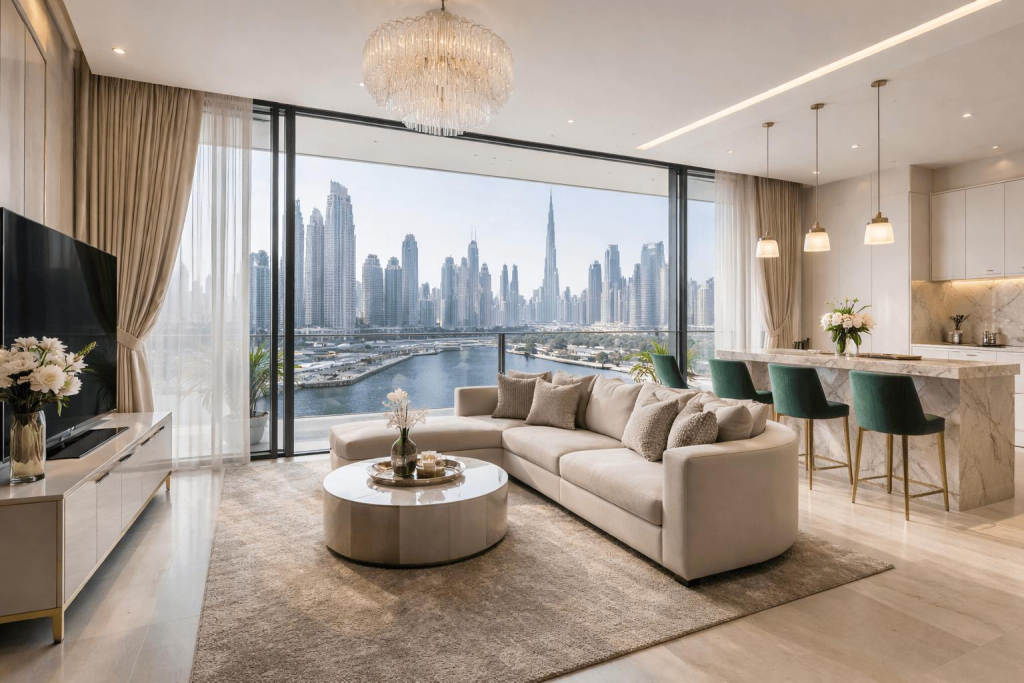
One of the clearest indicators of a mature market is who is buying—and why.
Previously, short-term investors and “flippers” dominated the market. Today, however:
• Increasingly, end-users and long-term residents are driving demand.
• Buyers are focused on lifestyle, stability, and long-term value rather than quick profits.
Moreover, first-time home buyers are increasing, signalling deeper market roots
As a result, this shift reduces volatility and creates a more resilient real estate ecosystem.
3. Population Growth is Creating Real Demand
Dubai’s population growth is a key driver behind this mature phase.
• The population surpassed 4 million in 2025, and importantly, continued growth is expected
• Additionally, tens of thousands of new residents are relocating annually for jobs, business, and lifestyle
Consequently, unlike past cycles driven by speculation, demand today is organic and needs-based—people are buying homes to live in, not just to trade. Demand today is organic and needs-based—people are buying homes to live in, not just to trade.
4. Supply is Increasing—But in a More Controlled Way
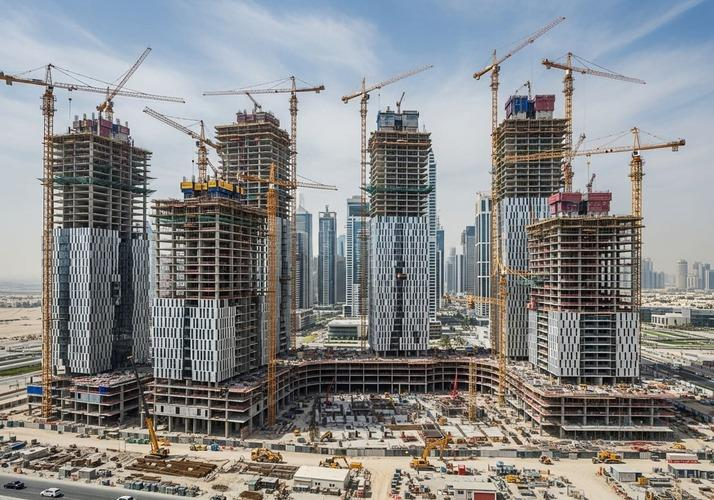
A mature market balances supply and demand more effectively.
• Over 150,000 new units were launched in 2025
• However, actual handovers are phased, preventing sudden oversupply
Even though some analysts predict price corrections due to incoming supply, these are expected to be moderate and segment-specific, not market-wide crashes
Thus, this reflects a healthier cycle where supply expansion is aligned with long-term demand.
5. Strong Fundamentals Are Replacing Hype
Dubai’s real estate growth is now backed by strong macroeconomic fundamentals:
— For instance, economic growth is projected around 5% in 2026
— Furthermore, continued foreign investment inflows and global buyer interest remain strong
— Notably, the attractive tax environment (no income tax, no capital gains tax) continues to support demand
Taken together, these factors make Dubai less dependent on speculative sentiment and more aligned with global investment-grade markets.
6. Rental Yields Remain Attractive—but Stabilizing
Dubai continues to offer some of the highest rental yields globally:
• On average, yields are around 6–7%, with some areas reaching 9–10%
However, like prices, rental growth is stabilizing:
• Rental increases slowed to ~8.5% in 2025
Therefore, this indicates a transition from rapid spikes to predictable income streams, which is typical of mature markets.nsition from rapid spikes to predictable income streams, which is typical of mature markets.
7. Market Segmentation is Increasing
In a mature market, not all areas perform equally—and Dubai is now showing this pattern:
— Prime locations and luxury properties remain highly resilient
— Oversupplied or lower-demand areas may see slower growth or price corrections
This segmentation means investors must now be more strategic, focusing on location, quality, and long-term fundamentals.
8. Technology and Regulation Are Strengthening the Market
Dubai is also becoming a global leader in PropTech (property technology):
— Adoption of AI, blockchain, and data-driven platforms is increasing transparency
— Regulatory improvements (escrow laws, ownership rules, visa reforms) have enhanced investor confidence
These advancements reduce risk and make the market more institutional-grade.
9. Record Growth—But With a New Mindset
Despite entering a mature phase, Dubai is still growing strongly:
✅ Q3 2025 alone saw 59,000+ transactions worth AED 169 billion
✅ The market continues to attract global investors from Europe, Asia, and the Middle East
The difference? Growth is now disciplined, data-driven, and sustainable.
10. What “Mature Growth Phase” Really Means
In simple terms, Dubai’s real estate market is transitioning from:
Old Phase:
- ‣ Speculative buying
- ‣ Rapid price spikes
- ‣ Boom-and-bust cycles
New Phase:
- ‣ End-user-driven demand
- ‣ Moderate, steady price growth
- ‣ Strong regulation and transparency
- ‣ Long-term investment focus
Final Thoughts
Dubai’s real estate market is not slowing down—it is growing up.
The shift toward a mature growth phase signals:
- ‣ Greater stability for investors
- ‣ More predictable returns
- ‣ Reduced risk of extreme volatility
For buyers and investors, this means the strategy must evolve. The easy gains of the past may be gone, but in their place is something more valuable: a sustainable, globally competitive real estate market built for the long term.
Read More: Dubai Real Estate Market Forecast 2026: What Investors Need to Know

 Dubai Investment Park (DIP), Dubai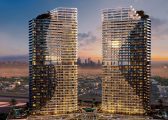
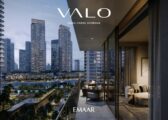
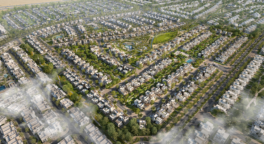
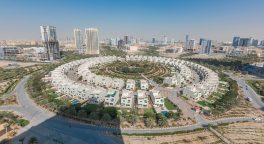
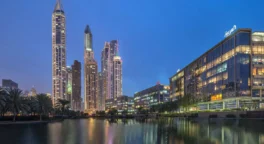
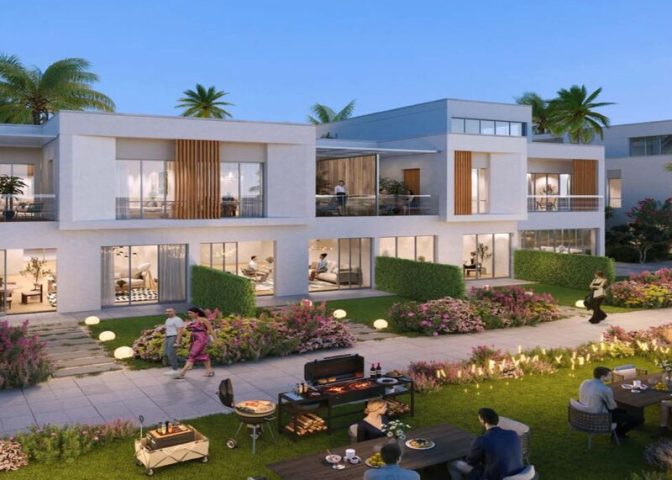
 Dubai Investment Park (DIP), Dubai