
Dubai’s real estate market has experienced an extraordinary recovery over the past few years. Property prices have climbed steadily, luxury home sales have reached record-breaking levels, and international investors continue entering the market in growing numbers.
With prices increasing across many communities, one question continues to dominate conversations among investors:
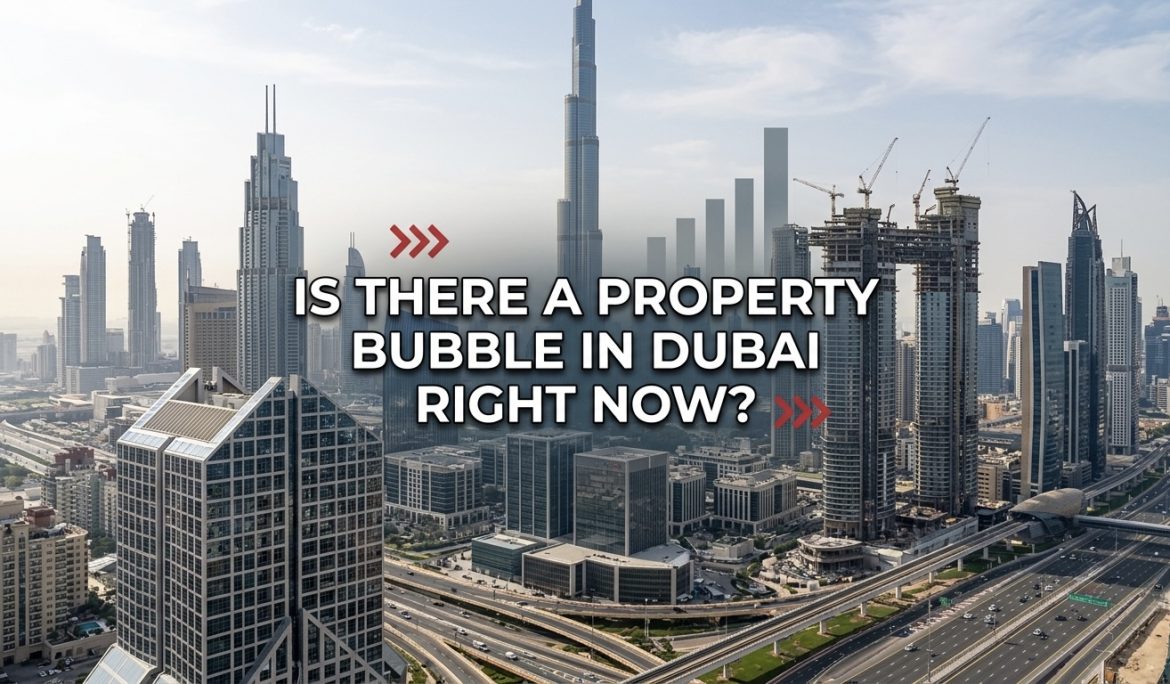
Is Dubai experiencing a property bubble?

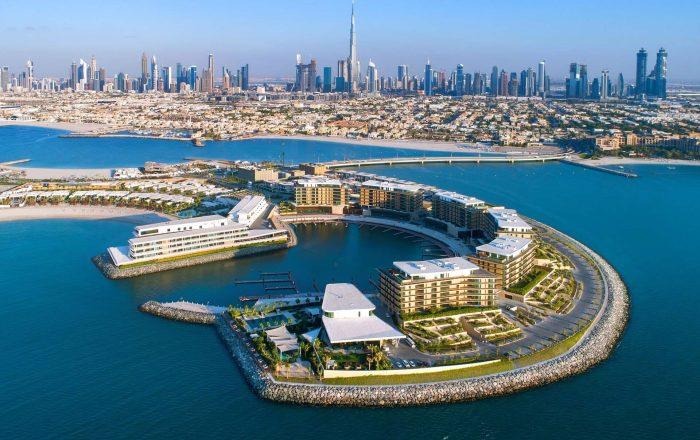
This concern is understandable. Investors remember previous market cycles, particularly the correction that followed the global financial crisis in 2008. However, today’s Dubai is significantly different. The city’s economy is more diversified, regulations are stronger, financing standards are stricter, and demand comes from a much broader international buyer base.
Understanding whether the market is overheating requires looking beyond rising prices. Supply, population growth, employment, foreign investment, infrastructure, and government policies all influence whether a market is healthy or approaching unsustainable levels.
In this guide, we’ll examine the latest data, compare today’s market with previous cycles, and explain whether investors should be concerned about a property bubble in Dubai.
What Is a Property Bubble?
A property bubble occurs when real estate prices increase much faster than their underlying value.
During a bubble, buyers often purchase properties purely because they expect prices to continue rising. Speculation replaces genuine demand, eventually causing prices to become unsustainable.
Common warning signs include:
- • Rapid price growth without population growth
- • Excessive speculative buying
- • Easy access to high-risk financing
- • Oversupply of properties
- • Falling rental yields
- • Declining affordability
Eventually, demand slows, confidence weakens, and prices correct sharply.
However, rising prices alone do not automatically indicate a bubble.
Healthy markets can experience strong appreciation when demand genuinely exceeds supply.
Why Dubai Property Prices Have Increased
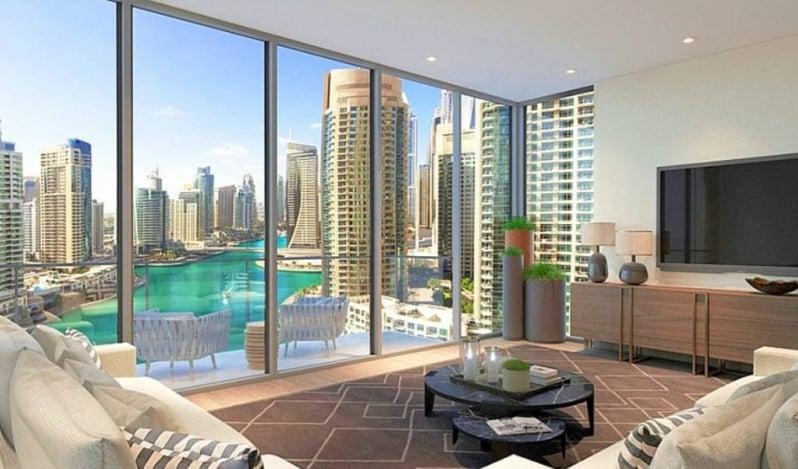
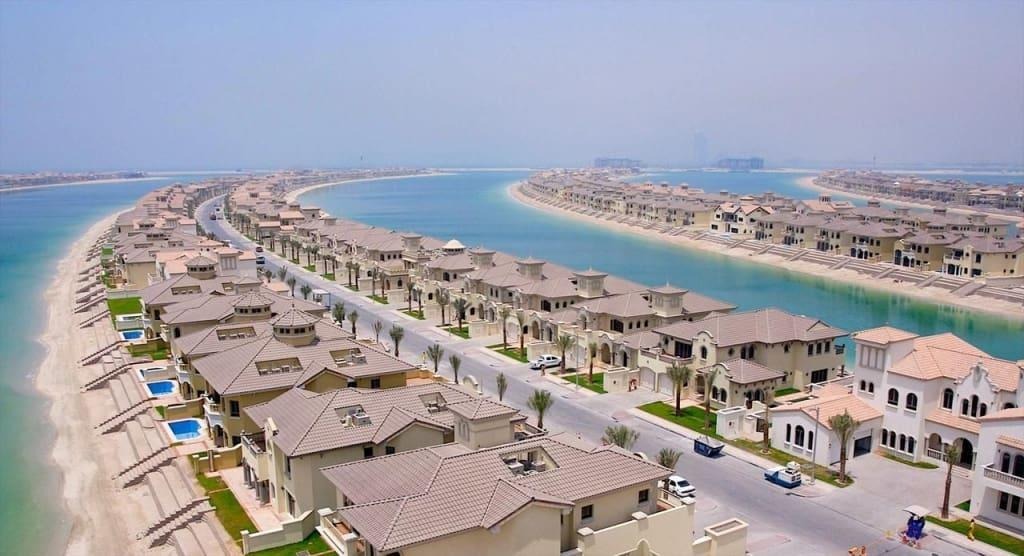
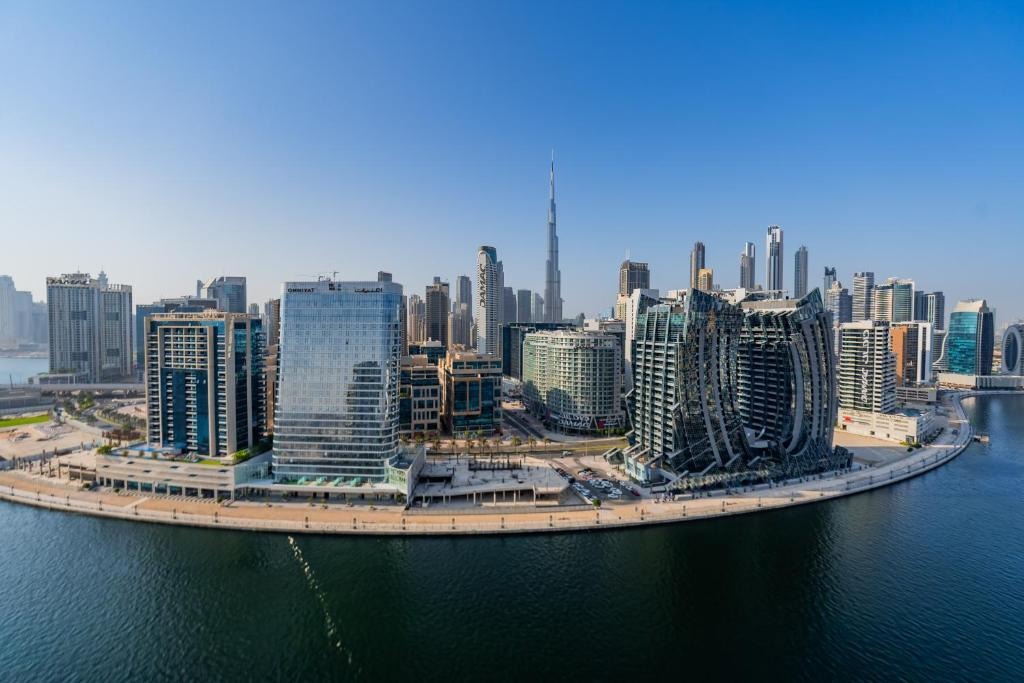
Dubai’s recent price growth has been driven by several measurable factors rather than speculation alone.
Population Growth
Dubai continues attracting professionals, entrepreneurs, skilled workers, retirees, and investors from around the world.
Every new resident requires housing, increasing demand for both rentals and home purchases.
Government initiatives such as long-term residency programs and investor-friendly visa reforms have further strengthened confidence among overseas buyers.
Strong Economic Performance
Dubai’s economy continues expanding through tourism, finance, logistics, technology, healthcare, manufacturing, and international trade.
Unlike previous decades, the economy is no longer heavily dependent on one sector.
This diversification creates a more stable foundation for long-term property demand.
Foreign Investment
International investors remain one of the biggest drivers of Dubai’s housing market.
Buyers from Europe, Asia, North America, Africa, and the GCC continue purchasing residential property for:
- • Rental income
- • Holiday homes
- • Business relocation
- • Portfolio diversification
- • Wealth preservation
Dubai’s absence of annual property tax and its transparent ownership regulations remain major competitive advantages compared to many global cities.
Limited Supply in Prime Communities
Although Dubai continues launching new developments, supply is not evenly distributed.
Prime villa communities and luxury waterfront locations remain relatively limited.
Areas such as Palm Jumeirah, Dubai Hills Estate, Emirates Hills, and Downtown Dubai cannot expand indefinitely.
This scarcity naturally supports higher prices.
Comparing Today’s Market to 2008
Many investors immediately compare current price growth with the 2008 property crash.
While both periods experienced rising values, the underlying market conditions are very different.
Then
Before 2008:
- • Lending standards were much looser.
- • Speculative flipping was widespread.
- • Down payments were significantly lower.
- • Regulatory oversight was limited.
- • Developers launched projects at an unsustainable pace.
When the global financial crisis struck, confidence disappeared almost overnight.
Now
Today’s market is supported by stronger fundamentals.
Dubai has introduced:
- Higher mortgage down-payment requirements
- Escrow account regulations
- Improved developer oversight
- Greater transparency
- More mature financing systems
These reforms have reduced speculative activity while increasing buyer protection.
Is Supply Becoming a Concern?
Supply is one of the most discussed topics in Dubai real estate.
Thousands of residential units are scheduled for delivery over the coming years.
At first glance, this might suggest oversupply.
However, demand has also increased substantially.
Dubai’s growing population, expanding economy, and international migration continue absorbing a large portion of new inventory.
Additionally, new developments are spread across different market segments.
Luxury waterfront homes, branded residences, affordable apartments, and family communities each serve different buyer groups.
Because demand varies by location and property type, supply should not be viewed as a single market-wide figure.
Some communities may become more competitive, while others remain undersupplied.
What Are the Experts Saying?
Most market analysts believe Dubai is currently experiencing a growth cycle rather than a speculative bubble.
Price growth has been supported by:
- • Population increases
- • Record tourism
- • Foreign direct investment
- • Business relocation
- • Long-term residency initiatives
- • Infrastructure expansion
- • Strong rental demand
While certain ultra-luxury segments may experience slower future growth as supply increases, the broader residential market continues to be supported by genuine end-user demand.
What Risks Should Investors Still Watch?
Although most experts do not consider Dubai to be in a property bubble, that doesn’t mean prices will continue rising indefinitely. Every real estate market moves in cycles, and investors should remain aware of factors that could influence future performance.
One important consideration is the growing pipeline of new developments. Thousands of apartments, villas, and townhouses are scheduled for completion over the next few years. While Dubai’s population continues to grow, certain communities could experience increased competition if supply outpaces demand.
Global economic conditions also play a role. Higher interest rates, geopolitical uncertainty, inflation, or slower global economic growth can affect investor confidence and purchasing power. Because Dubai attracts buyers from all over the world, international economic trends often influence local property activity.
However, Dubai has demonstrated resilience during previous global challenges. Its diversified economy, strategic location, and pro-investment policies continue to support long-term demand.
Why Rental Demand Remains Strong
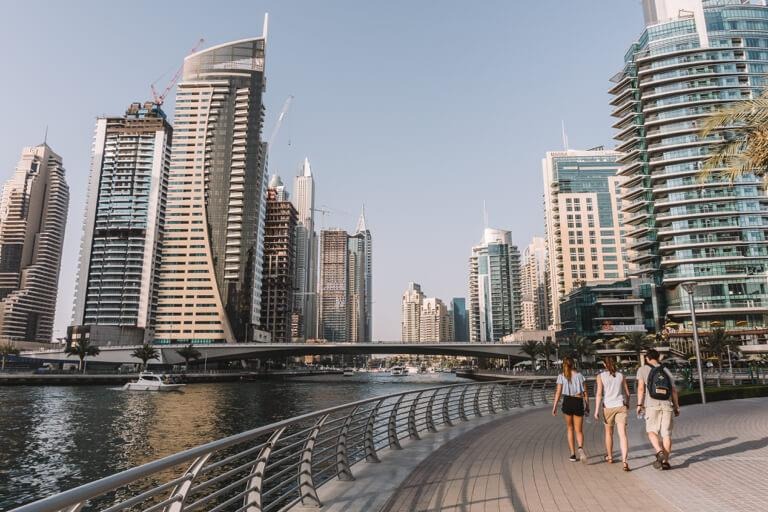
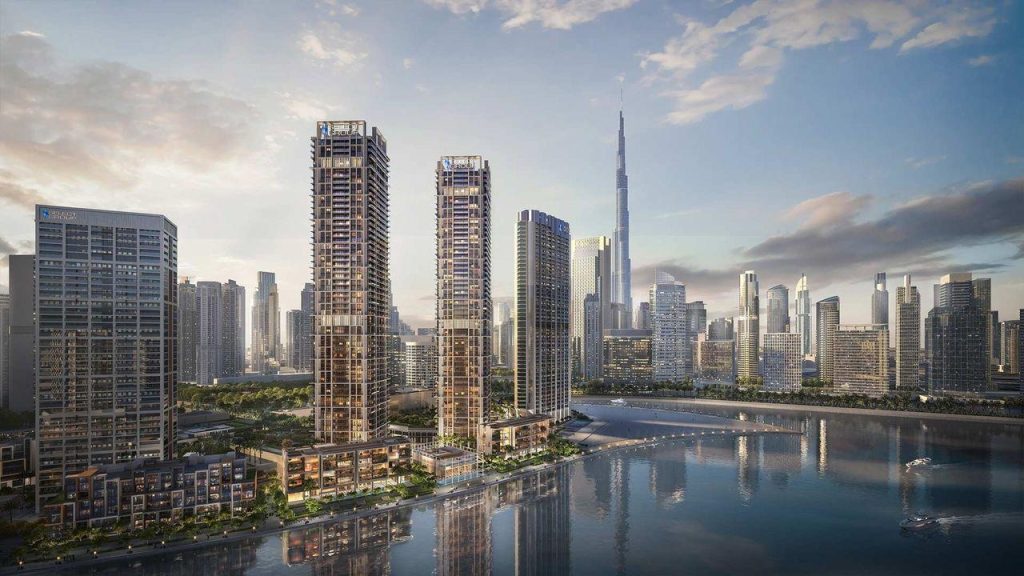
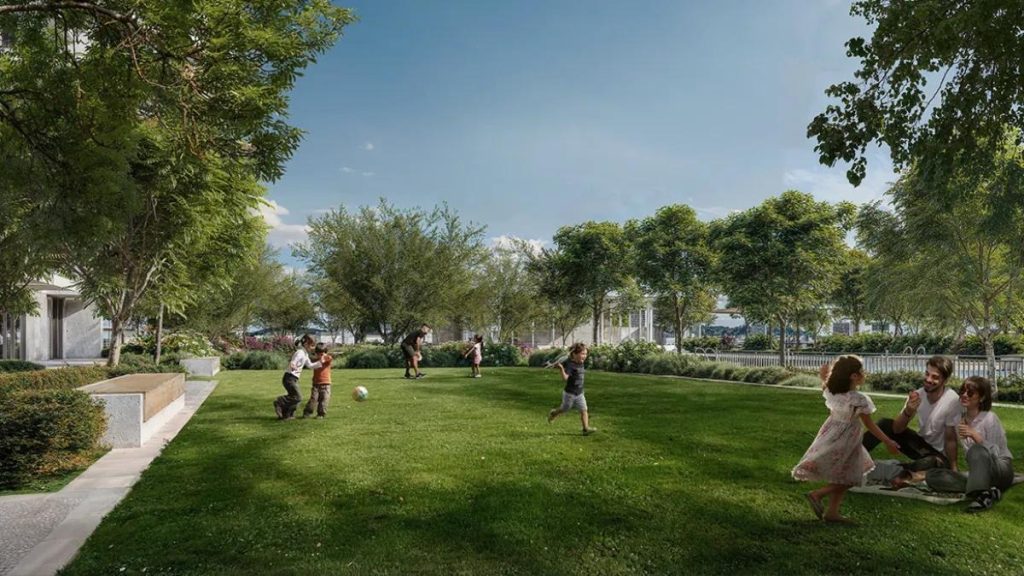
One of the strongest arguments against the bubble theory is Dubai’s healthy rental market.
Unlike speculative markets where properties remain empty, Dubai continues to experience high occupancy levels across many established communities. Every year, thousands of professionals, entrepreneurs, students, and families relocate to the emirate, creating sustained demand for rental accommodation.
Communities such as Dubai Marina, Business Bay, Jumeirah Village Circle (JVC), Dubai Hills Estate, and Downtown Dubai consistently attract tenants because of their connectivity, amenities, and lifestyle offerings.
As rental demand increases, landlords continue benefiting from attractive yields compared to many global cities. This underlying demand helps support property values even during periods of slower price appreciation.
Off-Plan vs Ready Properties During a Rising Market
One of the biggest decisions investors face is whether to purchase an off-plan property or a ready home.
Off-Plan Properties
Off-plan developments often provide:
- • Lower launch prices
- • Flexible payment plans
- • Higher appreciation potential before handover
- • Access to newly launched communities
- • Modern amenities and sustainable designs
However, investors should always evaluate the developer’s reputation, delivery history, construction progress, and surrounding infrastructure before committing to an off-plan purchase.
Ready Properties
Completed properties offer immediate advantages, including:
- • Instant rental income
- • Reduced construction risk
- • Easier valuation
- • Established communities
- • Immediate occupancy
Investors seeking predictable cash flow may prefer ready properties, while those focused on long-term appreciation often consider high-quality off-plan projects from reputable developers.
Bubble Myths vs Reality
Many headlines describing Dubai as “overpriced” or “unsustainable” focus only on rising prices without considering the broader market context.
Let’s separate fact from fiction.
Myth: Prices Are Rising Too Fast
Reality: Price growth has been supported by population increases, strong employment, international migration, and continued investor demand.
Myth: There Are Too Many New Projects
Reality: While supply is increasing, much of it is concentrated in specific locations and price segments. Prime communities with limited land continue experiencing healthy demand.
Myth: Investors Are Only Speculating
Reality: A significant proportion of buyers today are end-users, long-term investors, or individuals relocating their businesses and families to Dubai.
Myth: Dubai Will Repeat the 2008 Crash
Reality: The regulatory environment has changed dramatically since 2008. Mortgage rules, escrow requirements, developer oversight, and market transparency are significantly stronger today.
Investment Strategies for 2026
Rather than attempting to time the market perfectly, investors should focus on selecting high-quality properties with strong long-term fundamentals.
Consider these strategies:
Prioritize Established Developers
Developers with a proven track record are more likely to deliver projects on time while maintaining construction quality and community standards.
Focus on Prime Locations
Communities with strong infrastructure, schools, healthcare, retail, and transport links tend to perform better over the long term.
Evaluate Rental Demand
Properties located near business districts, universities, metro stations, or major attractions typically enjoy higher occupancy and more stable rental income.
Diversify Your Portfolio
Instead of concentrating all capital in one luxury asset, many experienced investors spread their investments across different property types or communities to reduce risk.
Think Long Term
Real estate is generally most rewarding when viewed as a medium- to long-term investment. Short-term market fluctuations are normal, but well-located properties have historically delivered attractive returns over time.
Should You Wait for Prices to Fall?
Many investors postpone buying because they expect a market correction.
While minor corrections are a natural part of any market, accurately predicting the perfect buying opportunity is extremely difficult.
Waiting for prices to decline may also mean missing:
- • Attractive payment plans
- • Early launch prices
- • Rental income
- • Capital appreciation
- • Limited inventory in prime communities
Instead of focusing solely on short-term price movements, investors should evaluate whether a property aligns with their financial goals, investment horizon, and risk tolerance.
Conclusion
Dubai’s real estate market has undoubtedly experienced remarkable growth, but rising prices alone do not indicate a property bubble. Today’s market is supported by strong economic performance, consistent population growth, international investment, improved regulations, and sustained rental demand.
Final Verdict
So, is there a property bubble in Dubai right now?
The answer is not a clear yes.
Dubai’s property market shows strong growth and several risk factors worth monitoring.
However, current data also reflects substantial transaction activity and continued international demand.
Therefore, investors should expect a more selective market instead of an automatic market collapse.
The smartest strategy involves research, patience, and careful property selection.
In 2026, Dubai real estate may still offer opportunities. Nevertheless, investors must stop treating every project as a guaranteed winner.
Read More: Step-by-Step Guide to Buying Property in Dubai for Expats

 Dubai Investment Park (DIP), Dubai
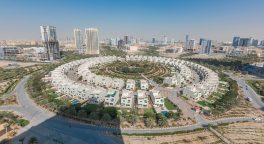
 Dubai Investment Park (DIP), Dubai