Introduction
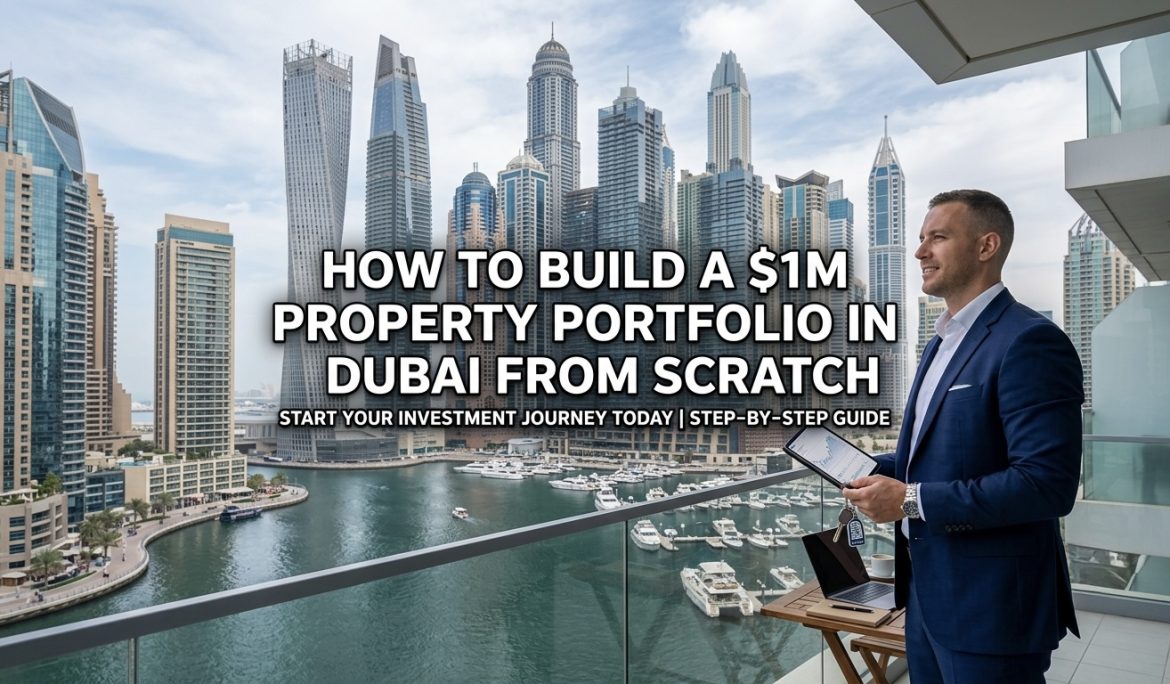
Building a $1 million property portfolio in Dubai may sound like an ambitious goal, but it’s more achievable than many investors realize. Thanks to Dubai’s tax-friendly environment, strong rental demand, flexible payment plans, and growing population, both residents and international investors have excellent opportunities to build wealth through real estate.
Unlike many global property markets that require substantial capital upfront, Dubai offers multiple entry points for first-time buyers. With strategic planning, careful financing, and smart reinvestment, investors can gradually grow a small investment into a diversified portfolio worth over USD 1 million (approximately AED 3.67 million).
This guide explains exactly how beginners can start from scratch and scale their investments over time.
Why Dubai is One of the Best Markets for Property Investment
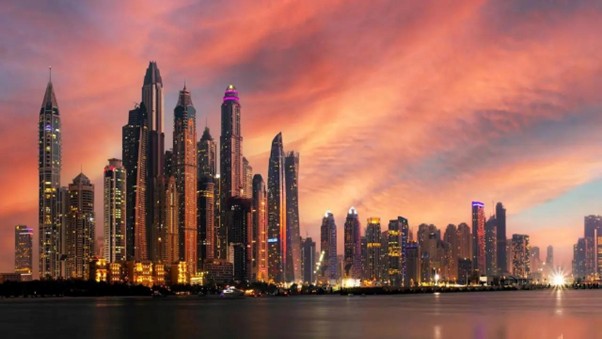
Dubai continues to attract investors from around the world because of several key advantages:
- ‣ Zero annual property tax
- ‣ No capital gains tax
- ‣ High rental yields averaging between 6% and 8%
- ‣ Strong capital appreciation in growing communities
- ‣ Stable economy supported by tourism, trade, and technology
- ‣ Long-term residency options through property investment
- ‣ Growing population creating consistent housing demand
These factors allow investors to maximize returns while preserving more of their profits compared to many international markets.
Step-by-Step Portfolio Strategy
Step 1: Define Your Investment Goal
Before buying your first property, determine exactly what you want to achieve.
Ask yourself:
- • Are you investing for rental income?
- • Do you want long-term capital appreciation?
- • Will you flip off-plan properties?
- • Are you building retirement wealth?
For a $1 million portfolio, your objective should be long-term growth through a combination of rental income and appreciation.
A clear strategy helps you avoid emotional decisions and focus on profitable investments.
Step 2: Start with an Affordable First Property
One of the biggest misconceptions is that you need millions to start investing.
In reality, many quality apartments in Dubai begin around:
- • AED 600,000
- • AED 700,000
- • AED 800,000
With a standard mortgage, investors typically need around:
- • 20% down payment
- • Registration fees
- • Mortgage processing costs
This means your initial investment could be approximately AED 150,000–200,000 depending on the property.
Popular starter communities include:
- • Jumeirah Village Circle (JVC)
- • Dubai South
- • Arjan
- • Dubai Production City
- • Town Square Dubai
- • Dubailand
These areas offer relatively affordable entry prices while maintaining strong rental demand.
Step 3: Use Mortgage Leverage Wisely
Successful property investors rarely pay entirely in cash.
Instead, they use mortgages strategically.
For example:
Property Price:
AED 800,000
Down Payment:
20% = AED 160,000
Mortgage:
AED 640,000
If the property’s value increases by 15%, your gains are calculated on the full AED 800,000—not just your initial investment.
Leverage allows investors to control larger assets while committing less capital.
However, ensure your mortgage payments remain comfortably covered by rental income.
Step 4: Focus on Positive Cash Flow
Your first investment should ideally generate monthly income rather than costing you money.
Look for properties where rental income covers:
- • Mortgage payments
- • Service charges
- • Maintenance
- • Insurance
- • Management fees
Positive cash flow allows your investment to partially finance itself while you continue saving for future purchases.
Communities with strong rental demand often produce healthier cash flow than luxury neighborhoods.
Step 5: Reinvest Rental Income
One of the fastest ways to grow your portfolio is by reinvesting rental earnings.
Instead of spending rental profits:
- • Save rental income
- • Reduce mortgage principal
- • Build another down payment
- • Purchase your next property
Compounding plays a powerful role in long-term wealth creation.
Each additional property creates another income stream that helps finance future investments.
Step 6: Buy Below Market Value When Possible
Finding properties priced below market value increases your equity immediately.
Look for:
- • Motivated sellers
- • Distressed sales
- • Off-plan launch prices
- • Early investor releases
- • Developer incentives
Buying below market value provides an additional margin of safety while increasing potential returns.
Working with experienced real estate professionals can help identify these opportunities before they become widely available.
Step 7: Diversify Your Portfolio
A $1 million portfolio should not rely on one property alone.
Instead, diversify across different property types.
Example portfolio:
- • Studio Apartment
- • One-Bedroom Apartment
- • Two-Bedroom Apartment
Different tenant profiles reduce vacancy risks and create more stable rental income.
Diversification also protects your investments if one particular community experiences slower growth.
Step 8: Consider Off-Plan Investments
Dubai’s off-plan market has become one of the strongest wealth-building opportunities.
Benefits include:
- • Lower launch prices
- • Flexible payment plans
- • Higher appreciation potential
- • Modern amenities
- • Lower maintenance during initial years
Many developers offer payment schedules spread over several years, making it easier to manage cash flow while growing your portfolio.
However, always choose reputable developers with proven delivery records.
Step 9: Monitor Market Cycles
Every property market experiences cycles.
Smart investors avoid buying purely based on hype.
Instead, monitor:
- • Supply and demand
- • Infrastructure development
- • Population growth
- • Mortgage interest rates
- • Government initiatives
- • Upcoming transportation projects
Buying during early growth phases often produces stronger long-term returns.
Step 10: Build Equity Before Expanding
After several years, your first property may have:
- • Increased in value
- • Reduced mortgage balance
- • Generated rental income
Combined, these factors create equity.
Many investors use this equity to finance additional purchases.
Rather than saving an entirely new down payment, they leverage the increased value of existing assets to expand faster.
Example Path to a $1 Million Portfolio
Here’s a simplified example:
Year 1
Purchase Property 1
Value:
AED 800,000
Year 3
Property appreciates to AED 950,000
Rental income helps build savings.
Purchase Property 2
Value:
AED 900,000
Year 5
Combined Portfolio
AED 1.95 million
Rental income increases significantly.
Year 7
Purchase Property 3
Portfolio reaches approximately AED 2.8 million
Year 9–10
Purchase Property 4
Combined value exceeds AED 3.67 million (approximately USD 1 million)
Actual timelines vary depending on market conditions, financing, appreciation, and rental performance, but disciplined investing can make this goal achievable.
Common Mistakes to Avoid
Many first-time investors delay building wealth because they make avoidable mistakes.
Avoid:
- • Buying emotionally instead of analytically
- • Ignoring service charges
- • Overestimating rental income
- • Taking excessive debt
- • Failing to diversify
- • Choosing poor locations
- • Selling too early
- • Ignoring long-term market trends
Successful investors think in decades rather than months.
Best Areas to Build a Long-Term Portfolio
Several Dubai communities continue attracting investors due to affordability, infrastructure, and rental demand.
Popular choices include:
- • Jumeirah Village Circle (JVC)
- • Dubai Hills Estate
- • Dubai South
- • Arjan
- • Town Square Dubai
- • Business Bay
- • Dubai Creek Harbour
- • Meydan
- • Dubailand
- • Emaar South
Each offers different advantages depending on your investment strategy.
Final Thoughts
Building a $1 million property portfolio in Dubai doesn’t require extraordinary wealth—it requires discipline, patience, and a well-planned investment strategy. By starting with an affordable property, using mortgage leverage responsibly, reinvesting rental income, and expanding gradually, investors can create a portfolio that generates both long-term appreciation and steady passive income.
Dubai’s strong economy, investor-friendly regulations, world-class infrastructure, and consistently high rental demand continue to make it one of the most attractive real estate markets globally. While every investment carries some level of risk, those who focus on quality properties, prime locations, and long-term growth are often best positioned for success.
Whether you’re purchasing your very first apartment or planning a diversified real estate portfolio, the most important step is to begin. A carefully chosen first investment today could become the foundation of a multi-million-dirham portfolio in the years ahead.
Read More: Step-by-Step Guide to Buying Property in Dubai for Expats

 Dubai Investment Park (DIP), Dubai
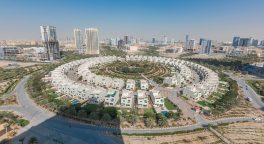
 Dubai Investment Park (DIP), Dubai