
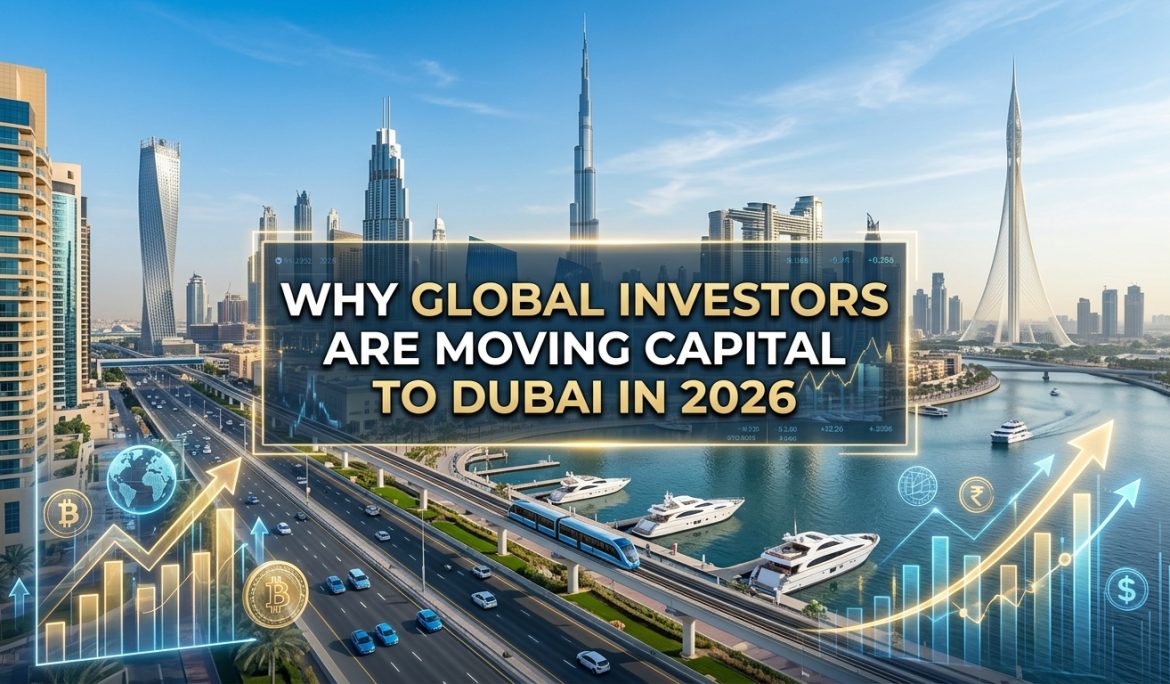
In 2026, global investors are rethinking where they allocate their capital. Economic uncertainty, persistent inflation, rising tax burdens in several developed markets, and ongoing geopolitical tensions have prompted individuals and institutions alike to seek destinations that offer stability, growth, and long-term wealth preservation.
As a result, capital is becoming increasingly mobile. Investors are no longer focused solely on achieving the highest possible returns. They are also evaluating regulatory environments, quality of life, tax efficiency, global connectivity, and economic resilience before making investment decisions.
Among the world’s emerging financial and investment hubs, Dubai has become one of the most attractive destinations for international capital. The emirate has successfully positioned itself as a global centre for business, innovation, entrepreneurship, and wealth management. From multinational corporations and family offices to entrepreneurs and high-net-worth individuals, a growing number of investors are choosing Dubai as a strategic base for both personal and commercial interests.
This shift is not happening by chance. It is the result of years of strategic planning, infrastructure investment, regulatory reforms, and economic diversification that have strengthened Dubai’s position within the global financial landscape.
The New Era of Capital Preservation
For much of the past decade, investors prioritised growth. Venture capital flourished, stock markets reached record highs, and risk-taking was often rewarded. However, the economic disruptions experienced in recent years have altered investor priorities.
Today, wealth preservation has become just as important as wealth creation.
High-net-worth individuals, family offices, and institutional investors are increasingly seeking jurisdictions that can protect capital while still offering attractive growth opportunities. Rather than concentrating assets in a single country, many investors are diversifying geographically to reduce exposure to economic, political, and regulatory risks.
This trend has accelerated demand for locations that combine stability with opportunity. Dubai’s ability to provide both has contributed significantly to its growing appeal among global investors.
Strategic Location in a Multipolar World
Location continues to be one of Dubai’s greatest strengths.
Positioned between Europe, Asia, and Africa, Dubai serves as a natural gateway to some of the world’s fastest-growing economies. Businesses operating from the emirate can access major international markets within a relatively short flight time, making it an ideal hub for regional and global operations.
As global trade routes evolve and businesses expand beyond traditional Western markets, geographic connectivity is becoming increasingly valuable. Companies based in Dubai benefit from world-class logistics infrastructure, modern ports, international airports, and extensive trade networks that facilitate cross-border commerce.
For investors, this connectivity creates opportunities across multiple regions and industries, strengthening Dubai’s position as a strategic business destination.
A Competitive Tax Environment
Tax efficiency remains one of the key reasons international investors are attracted to Dubai.
Compared with many major financial centres, the emirate offers a highly competitive tax framework that enables investors and entrepreneurs to retain a greater proportion of their earnings and investment returns.
While tax considerations alone rarely determine investment decisions, they play an important role when combined with other factors such as economic stability, legal certainty, and business-friendly regulations.
In an era where tax policies are becoming increasingly complex across many jurisdictions, Dubai’s transparent and competitive approach continues to appeal to both individuals and businesses seeking long-term financial efficiency.
Economic Diversification Enhances Stability
One of the most significant developments in Dubai’s economic journey has been its successful diversification away from oil dependency.
Today, sectors such as financial services, tourism, technology, logistics, healthcare, aviation, and real estate contribute substantially to economic growth. This diversified economic structure reduces vulnerability to fluctuations in any single industry and creates a more resilient investment environment.
Investors typically favour markets with multiple growth engines because they provide greater stability during periods of economic uncertainty. Dubai’s broad-based economy allows it to adapt more effectively to changing global conditions while continuing to generate new opportunities for businesses and investors.
This resilience has become increasingly important as investors evaluate long-term destinations for capital allocation.
The Growth of Wealth Migration
One of the most influential trends shaping global investment flows is wealth migration.
High-net-worth individuals are increasingly relocating themselves, their families, and their businesses to jurisdictions that offer security, economic opportunity, and an enhanced quality of life. These decisions are often driven by a combination of financial, lifestyle, and strategic considerations.
Dubai has emerged as one of the primary beneficiaries of this trend.
The city offers a unique combination of safety, modern infrastructure, world-class healthcare, international schools, luxury living, and a multicultural environment. These factors make it attractive not only as an investment destination but also as a place to live and build long-term wealth.
As more affluent individuals establish a presence in Dubai, they contribute to increased investment activity, business formation, and economic growth across multiple sectors.
The Rise of Family Offices and Private Capital
Another notable trend is the increasing number of family offices establishing operations in Dubai.
Family offices manage the wealth of affluent families and often oversee investments across real estate, private equity, venture capital, and public markets. Many are seeking jurisdictions that provide political stability, efficient regulation, and access to international opportunities.
Dubai’s growing reputation as a financial hub has made it an attractive destination for these organisations. The presence of family offices brings additional capital, expertise, and investment activity into the local economy while reinforcing the city’s role as a global wealth management centre.
As private capital becomes an increasingly important force in global markets, Dubai’s ability to attract family offices is expected to remain a significant competitive advantage.
Entrepreneurship and Innovation Drive Economic Growth
Innovation is increasingly becoming a key driver of economic competitiveness.
Dubai has invested heavily in creating an ecosystem that supports entrepreneurship, technological development, and business creation. Through specialised business zones, startup incubators, funding initiatives, and regulatory reforms, the emirate has established an environment that encourages innovation.
This has attracted entrepreneurs from around the world who view Dubai as a gateway to regional and international markets.
New businesses contribute to job creation, talent attraction, consumer spending, and economic expansion. For investors, a thriving entrepreneurial ecosystem often signals future growth opportunities and a dynamic economy capable of generating long-term value.
Real Estate Remains a Core Investment Strategy
Real estate continues to play a central role in global investment portfolios, particularly during periods of economic uncertainty.
Property offers investors a tangible asset that can generate rental income while also providing potential long-term capital appreciation. In growing cities, real estate can serve as an effective hedge against inflation and currency fluctuations.
Dubai’s property market has attracted significant international attention due to its combination of strong demand, ongoing infrastructure development, and relatively attractive pricing compared with many global gateway cities.
The continued influx of residents, businesses, entrepreneurs, and wealthy individuals has supported demand across both residential and commercial sectors. As a result, real estate remains one of the most prominent channels through which international capital enters Dubai.
Technology Is Reshaping Investment Decisions
Technology is transforming how investors evaluate markets and opportunities.
Artificial intelligence, advanced analytics, digital platforms, and real-time market data allow investors to make more informed decisions than ever before. As a result, cities that embrace innovation are often better positioned to attract modern capital.
Dubai has placed technology at the centre of its long-term vision. Initiatives supporting digital transformation, fintech development, artificial intelligence, and smart-city infrastructure demonstrate the emirate’s commitment to remaining competitive in an increasingly digital economy.
For investors seeking exposure to future-oriented markets, Dubai’s emphasis on innovation adds another layer of appeal.
Regulatory Confidence Encourages Long-Term Investment
Successful investment destinations are built on trust.
Investors prefer jurisdictions where regulations are transparent, legal frameworks are predictable, and long-term planning is possible. While no market is entirely free from risk, regulatory clarity can significantly improve investor confidence.
Over the years, Dubai has implemented numerous reforms designed to strengthen its attractiveness to international businesses and investors. These efforts have helped create an environment where companies can operate with greater certainty and confidence.
This regulatory stability has become an increasingly important factor for investors evaluating long-term capital allocation strategies.
Looking Beyond Short-Term Market Cycles
Experienced investors understand that short-term market movements rarely determine long-term success.
Instead, they focus on structural factors such as population growth, infrastructure development, technological innovation, economic diversification, and global connectivity. These underlying trends often provide a more reliable indication of future investment potential.
Dubai continues to demonstrate strength across each of these areas. Its growing population, expanding business ecosystem, strategic location, and commitment to innovation position the city favourably for future growth.
While global markets will inevitably experience periods of volatility, the long-term fundamentals supporting Dubai’s investment story remain compelling.
Conclusion
Global capital rarely moves without reason. Investors continuously evaluate where opportunities are strongest, risks are manageable, and long-term prospects appear most favourable.
In 2026, Dubai stands out because it successfully combines many of the qualities modern investors seek: economic resilience, international connectivity, tax efficiency, regulatory confidence, innovation, and an exceptional quality of life.
As wealth migration accelerates and investment priorities continue to evolve, Dubai’s influence within the global financial landscape is likely to expand further. For investors looking beyond traditional markets, the emirate offers a compelling example of how strategic planning, economic diversification, and global ambition can attract capital on a worldwide scale.
The question is no longer why investors are paying attention to Dubai. The more relevant question is how significant Dubai’s role in the future of global capital flows will become.
Read More: Step-by-Step Guide to Buying Property in Dubai for Expats

 Dubai Investment Park (DIP), Dubai
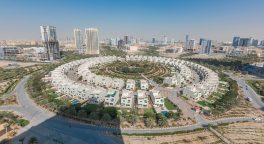
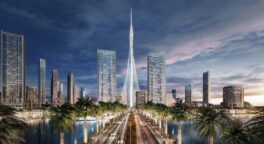
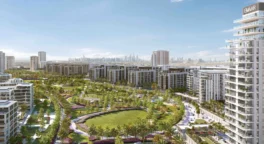
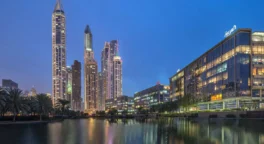
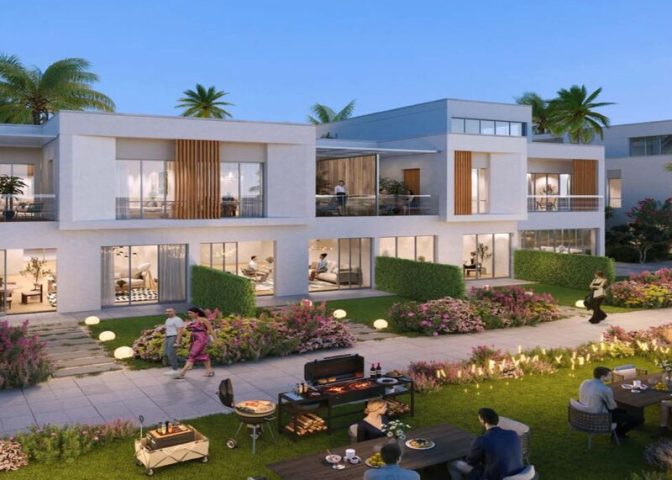
 Dubai Investment Park (DIP), Dubai